


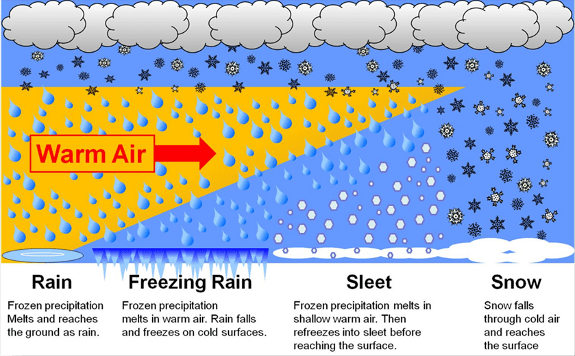
FootyExperts.com – As a significant winter storm system, bringing sleet, ice, and heavy snow, is forecast to sweep across various regions through Thursday, the world of football braces for potential widespread disruption. While the beautiful game is often celebrated for its resilience and ability to adapt, severe weather conditions pose a formidable challenge, threatening to halt fixtures, compromise player safety, and impact the fan experience across multiple leagues.
The immediate and most visible consequence of such a system is the high probability of match postponements. Football associations and league officials prioritize the safety of players, officials, and spectators above all else. Icy roads and heavy snowfall make travel hazardous, not just for fans commuting to stadiums but also for teams journeying for away fixtures. Public transport networks often grind to a halt, rendering access to venues impossible for thousands. Furthermore, emergency services, crucial for any large public gathering, may be stretched thin responding to weather-related incidents, making it irresponsible to proceed with matches. The decision to call off a game is never taken lightly, as it involves complex logistical rescheduling, potential fixture congestion later in the season, and financial implications for clubs through lost gate receipts and broadcasting revenue.
Beyond travel concerns, the playing surface itself becomes a major point of contention. A pitch covered in snow or, worse, a layer of ice, is not only unplayable but extremely dangerous. Snow can obscure lines and the ball, making accurate passing and tactical play almost impossible. Ice, however, presents an an even graver threat, turning the field into a skating rink where players risk severe injuries from slips, falls, and collisions. Muscle strains, ligament tears, and even concussions become significantly more likely. Ground staff work tirelessly, often around the clock, to clear snow and ensure pitch heating systems are functioning optimally, but there are limits to what can be achieved against a relentless winter storm. Referees, in consultation with club officials and pitch inspectors, hold the ultimate authority to deem a pitch unplayable, a decision often made just hours before kick-off, adding to the uncertainty and frustration for all involved.
Also Read
The impact extends to player performance and well-being. Playing in sub-zero temperatures, sleet, and driving snow is physically demanding. Players expend more energy trying to stay warm and maintain their footing, leading to increased fatigue and a higher risk of soft tissue injuries. The ball’s movement is also affected; it becomes heavier when wet and can skid unpredictably on icy patches, altering the dynamics of the game. Goalkeepers, in particular, face immense challenges with cold hands affecting their grip and visibility reduced by falling snow. For teams accustomed to warmer climates or indoor training facilities, adapting to such harsh conditions can be a significant psychological hurdle.
Fans, the lifeblood of the sport, are also heavily impacted. Those who brave the elements to attend matches face uncomfortable conditions, reduced visibility, and the constant threat of hypothermia. The vibrant atmosphere that defines football matches can be dampened by sparse crowds and the sheer discomfort of the weather. For those watching from home, the spectacle can be diminished by poor camera visibility and a slower, more cautious style of play dictated by the conditions.
Historically, football has seen its fair share of iconic snow games, from the famous ‘Snow Clasico’ in Spain to numerous FA Cup ties in England where the ball had to be changed to a brighter colour. While these moments can add a unique, almost romantic, element to the sport, they are exceptions rather than the rule, and typically occur under manageable snowfall, not a severe icy system. The current forecast suggests conditions that push beyond the realm of ‘character-building’ and into genuine safety concerns.
Clubs and leagues in regions prone to harsh winters, such as Scandinavia, Eastern Europe, and parts of North America, often implement specific protocols, including winter breaks or the use of indoor stadiums and artificial pitches, to mitigate these risks. However, for many traditional leagues, especially in Western Europe, where winter breaks are shorter or non-existent, and natural grass pitches are the norm, a severe storm like the one predicted can throw schedules into disarray.
As Thursday approaches, clubs, fans, and governing bodies will be closely monitoring weather updates, hoping for a reprieve but preparing for the inevitable disruptions. The forecast serves as a stark reminder that even in the highly organized and professional world of modern football, the raw power of nature can still dictate the rhythm of the beautiful game.
Featured Image Source: www.mprnews.org