


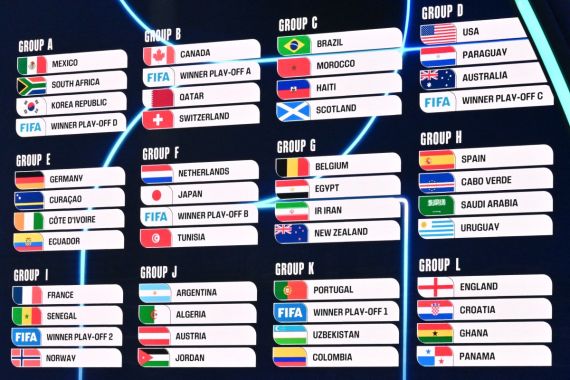
FootyExperts.com – The countdown to the FIFA World Cup 2026 has officially begun, and with it comes a wave of anticipation, strategic planning, and significant changes that promise to redefine the global spectacle. Set to be hosted across three North American nations – the United States, Canada, and Mexico – this edition will be the largest in history, featuring an unprecedented 48 teams and a staggering 104 matches. This expansion is not merely a numbers game; it’s a fundamental shift in the tournament’s structure, offering more nations a chance at glory but also presenting new logistical and competitive challenges.
The most talked-about change is undoubtedly the expanded format. Instead of the traditional 32 teams, 48 nations will compete, divided into 12 groups of four. The top two teams from each group, along with the eight best third-placed teams, will advance to a new Round of 32. This means more knockout football and potentially more upsets, but also an increased workload for players and a longer tournament duration. Critics and fans alike are debating the impact on player welfare and the overall quality of the group stage, but the allure of more diverse representation on the world stage is undeniable.
Preparations are in full swing across the 16 host cities spread across the three nations. The United States will host the majority of the matches in 11 cities, including iconic venues like MetLife Stadium in New York/New Jersey, AT&T Stadium in Dallas, and SoFi Stadium in Los Angeles. Canada will contribute two cities – Vancouver and Toronto – while Mexico, making history as the first nation to host three World Cups, will feature Mexico City, Guadalajara, and Monterrey. Each city is meticulously planning infrastructure upgrades, transportation logistics, and fan zones to accommodate the millions of visitors expected. The sheer geographical spread of the tournament presents a unique challenge, demanding seamless coordination between three distinct national organizing committees.
Also Read
On the qualification front, the race is heating up across all confederations. With more slots available, the intensity of the preliminary rounds is palpable. CONMEBOL, for instance, has already begun its rigorous qualification campaign, with South American giants battling for their spots. UEFA’s qualification process, always fiercely contested, will see European powerhouses vying for their increased allocation. Similarly, CONCACAF, CAF, and AFC are all adapting their qualification structures to accommodate the expanded berths, promising thrilling encounters and the emergence of new contenders. For many nations, this expanded format represents their best-ever chance to participate in football’s ultimate showpiece, fueling dreams and national pride.
Beyond the pitch, the 2026 World Cup is poised to leave a significant legacy. It aims to be the most sustainable and inclusive World Cup ever, leveraging existing infrastructure and promoting cross-cultural exchange. The economic impact on the host regions is expected to be immense, boosting tourism, creating jobs, and showcasing the vibrant cultures of North America to a global audience. As the world watches, the FIFA World Cup 2026 is shaping up to be a monumental event, not just for football, but for international cooperation and celebration. FootyExperts.com will continue to bring you all the latest updates as this historic tournament draws closer.
Featured Image Source: www.aljazeera.com