


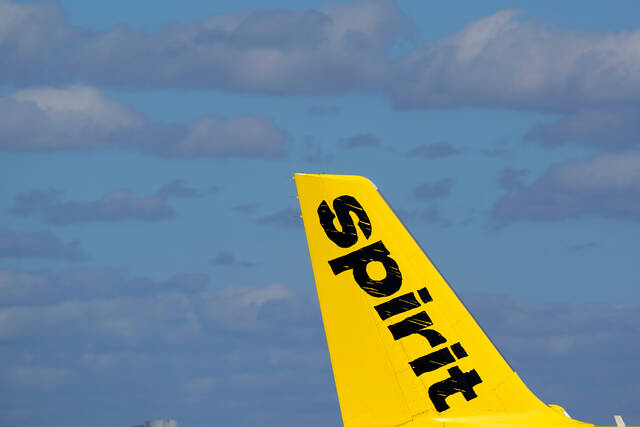
FootyExperts.com – In the often-turbulent world of global finance and high-stakes business, a recent report suggesting Donald Trump’s interest in acquiring Spirit Airlines, potentially with taxpayer backing and an aim to resell for profit, has sent ripples across various sectors. While seemingly far removed from the hallowed turf of football stadiums, this kind of audacious financial play offers a fascinating, albeit concerning, lens through which to examine the evolving landscape of football club ownership and the ethical dilemmas it often presents.
Modern football, particularly at its elite levels, is no longer just a sport; it’s a multi-billion-dollar industry. Clubs are increasingly viewed as assets, investment vehicles, or even geopolitical tools by their owners. From private equity firms to national sovereign wealth funds, and individual billionaires, the motivations behind acquiring a football club are as diverse as the owners themselves. However, the reported strategy for Spirit Airlines – leveraging public funds for a private acquisition with a clear intent for profitable resale – raises critical questions that resonate deeply within the football community.
Imagine a scenario where a prominent figure acquires a football club with significant public financial assistance, perhaps in the form of stadium development grants, infrastructure subsidies, or even direct loans, only to then ‘flip’ the club for a substantial profit a few years down the line. This ‘asset-stripping’ or ‘short-term gain’ mentality is precisely what many football fans and pundits fear when new owners arrive without a clear, long-term vision for sporting success or community engagement. The ‘resell for profit’ motive, while standard in many business sectors, often clashes violently with the deeply emotional and community-centric nature of football clubs.
Also Read
The use of ‘taxpayer backing’ is another contentious point. In football, public funds are frequently debated in the context of new stadium builds, hosting major tournaments, or even supporting struggling clubs deemed vital to local communities. While such investments can bring economic benefits, they are often met with scrutiny, particularly if the primary beneficiaries appear to be private entities or individuals rather than the public good. The idea of public money directly facilitating a private individual’s profit-making venture in football would undoubtedly ignite a firestorm of protest from fan groups and ethical watchdogs alike.
History is replete with examples of club owners whose primary focus seemed to be financial rather than sporting. From controversial takeovers that left clubs saddled with debt to owners who neglected infrastructure or youth development in pursuit of quick returns, the football world has seen its share of figures whose business acumen didn’t translate into sustainable success on the pitch or a positive impact off it. Fans often demand transparency, long-term commitment, and a genuine passion for the club’s heritage and future, rather than seeing their beloved institution treated as a mere commodity.
The potential Spirit Airlines deal, therefore, serves as a stark reminder of the kind of ownership models that could, in theory, emerge in football. It underscores the importance of robust governance, stringent financial fair play regulations, and the powerful voice of fan groups in holding owners accountable. While the specifics of airline acquisition differ vastly from football club management, the underlying principles of leveraging capital, managing public perception, and the ultimate goal of profitability are universal. For the discerning football journalist and fan, understanding these broader financial currents is crucial to anticipating and scrutinizing the future direction of our beautiful game, ensuring that clubs remain pillars of their communities, not just pawns in a high-stakes business game.
Featured Image Source: triblive.com