


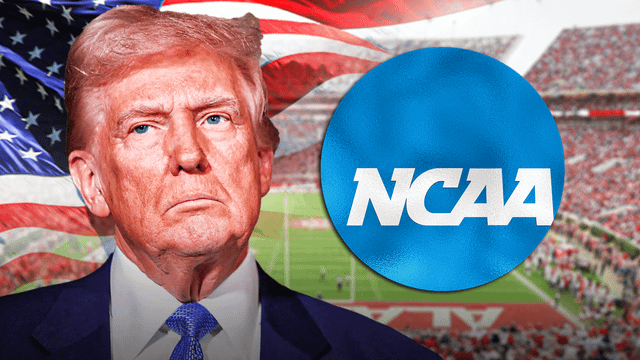
The world of collegiate athletics is bracing for a seismic shift following President Trump’s recent executive order aimed at regulating college sports, with a particular focus on transfer limits. While the immediate implications are felt most acutely in American college football and basketball, the precedent set by such federal intervention could have far-reaching consequences across the global sports landscape, potentially influencing how player movement is viewed and managed even in professional circuits, including soccer.
The executive order, signed amidst growing debates over athlete compensation, amateurism, and the fluidity of player movement, seeks to bring a degree of federal oversight to an area traditionally governed by collegiate athletic associations like the NCAA. At its core, the order targets the increasingly common practice of athletes transferring between institutions without significant restrictions, a phenomenon that has dramatically altered team dynamics and recruitment strategies. Proponents argue that unlimited transfers undermine team cohesion, create an unfair advantage for larger programs, and can disrupt academic progress. Critics, however, contend that restricting transfers infringes upon an athlete’s freedom to seek better opportunities, whether for athletic development, academic fit, or personal well-being.
Key provisions of the order reportedly include stricter eligibility requirements for transferring athletes, potentially reintroducing or strengthening rules that mandate a ‘sit-out’ period before a transferred athlete can compete for their new institution. Furthermore, there’s speculation about limits on the number of times an athlete can transfer during their collegiate career without penalty, aiming to foster greater commitment to a single program. The order also touches upon the broader financial ecosystem of college sports, hinting at future regulations concerning Name, Image, and Likeness (NIL) rights, though the primary focus of this initial decree appears to be player mobility.
Also Read
For an expert soccer journalist, while this might seem distant from the Premier League or La Liga, the underlying principles are fascinating. The tension between player freedom and institutional stability is a constant in professional soccer transfers. Imagine if FIFA or UEFA imposed similar federal-level restrictions on player movement between clubs. The very idea of a ‘transfer window’ is a form of regulation, but this executive order goes deeper into the individual athlete’s agency. It raises questions about the balance of power between athletes, institutions, and governing bodies – a dynamic that resonates deeply within the global soccer transfer market, albeit with different stakeholders and financial scales.
The NCAA, which has been grappling with these issues for years, will now face direct federal pressure to align its policies with the executive order’s directives. This could lead to a significant overhaul of existing transfer portal rules, which have, in recent years, made it easier for athletes to switch schools. The impact on recruitment will be immediate, as coaches will need to adapt their strategies, potentially prioritizing long-term player development and retention over quick fixes from the transfer market.
The long-term ramifications are still unfolding. Will this lead to greater stability in college programs, or will it spark legal challenges from athlete advocacy groups? How will it affect the pipeline of talent to professional sports, including MLS or even European leagues, given that many professional soccer players in the US come through the college system? The executive order is a bold statement, asserting federal interest in the governance of sports, a move that could set a precedent for future interventions in other sports sectors. It’s a stark reminder that even in the seemingly insular world of sports, external political forces can dramatically reshape the rules of the game.
Key Provisions & Potential Impact of Executive Order
| Aspect | Details/Impact |
|---|---|
| Target Area | College Sports Transfer Regulations |
| Primary Goal | Increase stability, limit ‘free agency’ in collegiate athletics |
| Key Provision 1 | Potential reintroduction of ‘sit-out’ periods for transfers |
| Key Provision 2 | Limits on total number of transfers per athlete’s career |
| Affected Parties | NCAA, college athletes, athletic departments, coaches |
| Broader Context | Debate over athlete rights, amateurism, and NIL policies |
| Potential Outcome | Reduced player movement, increased institutional control |
Featured Image Source: www.reddit.com