


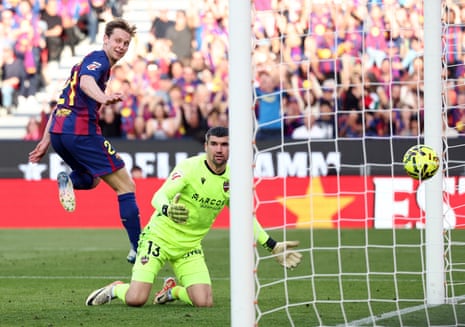
FootyExperts.com – The allure of European football is undeniable, a glittering stage where the continent’s elite battle for supremacy, prestige, and significant financial rewards. For clubs, securing a qualification spot in competitions like the UEFA Champions League or Europa League isn’t just a goal; it’s often a lifeline, dictating transfer budgets, attracting top talent, and maintaining fan morale. Yet, the beautiful game is also a brutal one, and the landscape of European football is constantly shifting. This season, several traditional powerhouses and established contenders find themselves precariously close to losing their coveted qualification spots, a scenario that could have far-reaching consequences.
Across the continent’s top leagues, the narrative of established giants faltering is becoming increasingly common. In the Premier League, the relentless competition means that even clubs with significant historical pedigree and financial might can find themselves outside the top four or six. A dip in form, a string of injuries to key players, or even a single poor transfer window can be enough to derail an entire season. The rise of well-managed, tactically astute challengers, often backed by shrewd recruitment and passionate fanbases, further complicates matters for the traditional “big clubs.” The financial implications of missing out on Champions League football, in particular, are staggering, potentially leading to a vicious cycle of reduced revenue, difficulty in attracting elite players, and a further slide down the pecking order.
Spain’s La Liga, traditionally dominated by a select few, is also witnessing its share of struggles. While the very top might seem stable, the battle for the remaining European spots is fierce. Teams that once consistently featured in continental competitions are now finding themselves in mid-table obscurity, battling inconsistency and the emergence of ambitious rivals. Managerial merry-go-rounds, coupled with aging squads and an inability to refresh with high-quality talent due to financial fair play restrictions, are often cited as key contributors to this decline.
Also Read
In Italy’s Serie A, a league known for its tactical nuances and passionate rivalries, the fight for European places is equally intense. Clubs that enjoyed periods of dominance are now facing stiff competition from rejuvenated rivals. The financial disparities between clubs, while still present, are being somewhat mitigated by smart coaching and effective player development, allowing smaller teams to punch above their weight. For some historical giants, the pressure to perform and reclaim their European berths is immense, with every match feeling like a cup final.
Germany’s Bundesliga, while often seen through the lens of one dominant club, still offers a compelling race for the remaining Champions League and Europa League spots. Traditional contenders, who once reliably secured European football, are now finding themselves in dogfights against ambitious clubs with clear identities and effective strategies. The consequences of missing out are not just financial; they also impact a club’s ability to retain its best players, who often seek the grand stage of European competition.
The reasons behind a club’s potential fall from grace are multifaceted. Financial mismanagement, poor recruitment strategies, a lack of long-term vision, and an inability to adapt to modern tactical trends are common culprits. Injuries to star players can decimate a squad’s depth and quality, while managerial instability often leads to a lack of consistent philosophy and direction. Furthermore, the sheer intensity of the modern football calendar, with domestic leagues, cup competitions, and international breaks, places immense physical and mental strain on players and staff alike.
Losing a qualification spot is more than just a temporary setback; it can trigger a cascade of negative effects. Reduced broadcast revenues, lower sponsorship deals, and a diminished appeal to potential transfer targets are immediate concerns. For fans, it can lead to disillusionment and a questioning of the club’s direction. The pressure on club boards and coaching staff to reverse the trend becomes immense, often leading to drastic decisions in an attempt to salvage future seasons.
In conclusion, the narrative of European football is one of constant evolution. No club, regardless of its history or past glories, is immune to the challenges of maintaining a top-tier qualification spot. The current season serves as a stark reminder that consistent performance, shrewd management, and a clear strategic vision are paramount in an increasingly competitive and unforgiving landscape. The teams currently on the brink face a critical juncture, where their decisions in the coming months will undoubtedly shape their immediate future and their standing on the European stage.
Featured Image Source: www.theguardian.com