


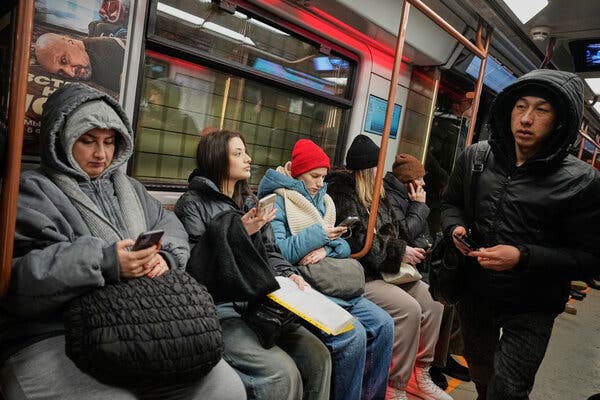
FootyExperts.com – In an increasingly interconnected world, where the beautiful game transcends borders through digital streams, social media, and instant news, the very notion of a nation being deliberately cut off from the global internet is a chilling prospect. Yet, this is the reality facing Russia, as Vladimir Putin’s regime intensifies its chaotic drive to sever its citizens’ digital ties with the outside world. For the ardent football fan, the aspiring player, and the professional club within Russia, this ‘digital iron curtain’ represents far more than just a political maneuver; it’s a direct assault on their ability to participate in and enjoy the global spectacle of football.
The implications for Russian football are profound and multifaceted. Imagine a world where the latest transfer sagas from the Premier League, the tactical masterclasses from La Liga, or the dramatic upsets in the Champions League are simply inaccessible. Russian fans, renowned for their passion and dedication, would be denied the fundamental right to follow their favourite international teams, stream crucial matches, or engage in the vibrant, global discourse that defines modern football fandom. Social media platforms, once bustling with debates, analyses, and shared celebrations, would become ghost towns, isolating millions of supporters from the collective heartbeat of the sport. This isn’t just about missing out on scores; it’s about losing a sense of belonging to a worldwide community, a shared cultural experience that football uniquely provides.
Beyond the fan experience, the blackout poses an existential threat to the operational aspects of Russian football clubs. In today’s data-driven game, scouting talent is a global enterprise. Clubs rely heavily on internet access to monitor players from every corner of the globe – reviewing video footage, analyzing statistical databases, and communicating with agents and scouts internationally. How can a Russian club effectively identify the next big talent from South America or Africa if their access to these vital digital tools is severely restricted or entirely cut off? The transfer market, a complex web of negotiations, contract exchanges, and due diligence, would become an almost insurmountable challenge. The ability to send and receive secure documents, conduct video calls with prospective players or their representatives, and verify information would be crippled, effectively isolating Russian clubs from the international player market.
Also Read
Furthermore, the development of football within Russia itself stands to suffer immensely. Modern coaching methodologies, sports science advancements, and tactical innovations are often shared and disseminated through online resources, webinars, and international collaborations. If Russian coaches and academies are cut off from these global knowledge streams, their ability to evolve and compete at the highest levels will inevitably stagnate. Players, too, would be deprived of access to a wealth of online training resources, performance analysis tools, and inspirational content from their international idols. This digital isolation could create a significant gap in quality and understanding between Russian football and the rest of the world, further exacerbating the challenges already faced due to existing sanctions.
The internet blackout also deepens the existing isolation of Russian football on the international stage. Already grappling with bans from UEFA and FIFA competitions, this digital severance would make it even harder for the outside world to gain insight into the state of the game within Russia. International media would struggle to report on domestic leagues, player performances, or the general health of Russian football, leading to a further erosion of its global presence and reputation. The soft power that sports often wields, fostering understanding and connection across political divides, would be severely diminished, replaced by a void of information and increasing detachment.
In essence, Putin’s internet blackout is not merely a political move; it is a direct attack on the very fabric of modern football as it exists in Russia. It threatens to relegate a once vibrant footballing nation to a digital dark age, severing its connections to the global game, stifling its development, and isolating its passionate fans. For an expert soccer journalist, this is a story of profound concern, highlighting how geopolitical decisions can have devastating, long-lasting consequences on the sport we all love.
Featured Image Source: www.nytimes.com